Most leaders don’t realize how much their nervous system shows up in their marketing strategy.
A few years ago, I started noticing a pattern in the organizations I worked with. The most reactive marketing teams weren’t struggling because they lacked strategy. They were struggling because leadership was dysregulated. Every campaign, every pivot, every sudden shift in messaging reflected internal tension.
The turning point for me came during a high-pressure project early in my career. A senior leader had just seen a competitor’s campaign and immediately wanted to pivot our entire strategy. The room filled with urgency. The team started scrambling. Deadlines moved. Messaging changed overnight.
But what struck me most was that nothing about our original strategy had lost its soundness. The shift was driven by anxiety, not insight. That moment stayed with me. I began paying closer attention—not just to tactics, but to the emotional state behind the decisions.
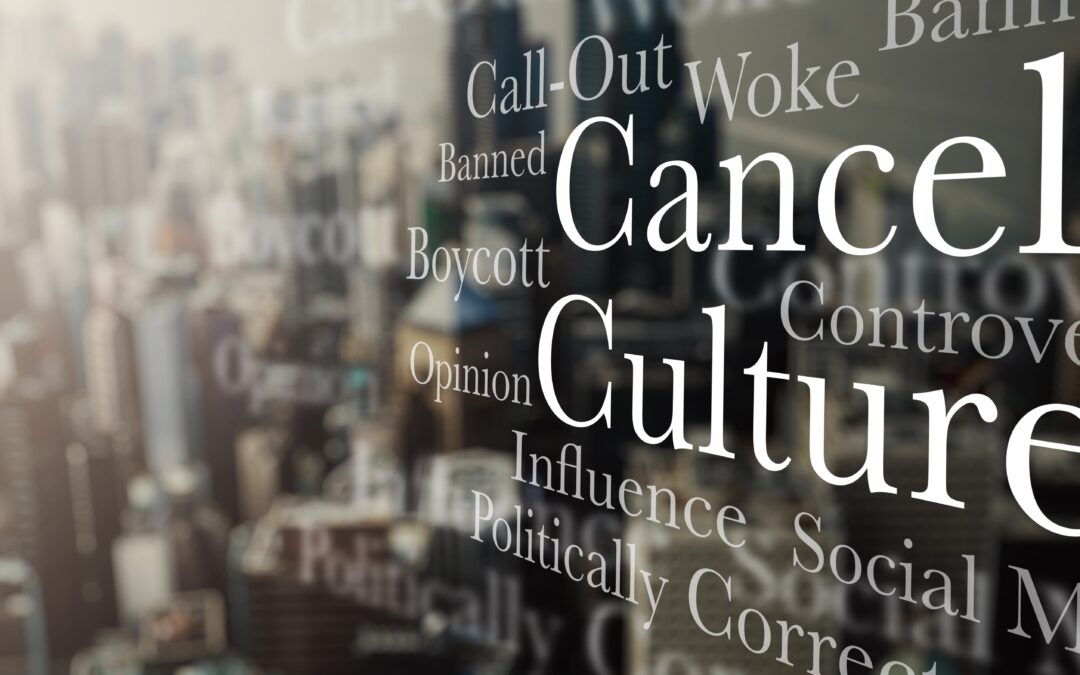
Today, social media amplifies that dynamic. It is a core tool in many marketing strategies, and where creative teams spend significant time. The landscape is saturated with opinions. Some come from genuine lived experience. Others are shaped by persuasive messaging that quietly pushes people toward inauthentic, bandwagon thinking. And while everyone has the right to their perspective, leaders operate in a different context. Their public voice reaches employees, clients, and future team members.
In a culture that moves quickly to judgment, public statements, especially on polarizing topics, can create unintended pressure inside organizations. Research from the American Psychological Association shows that when behavior is driven by fear of rejection or social punishment, it becomes a survival response rather than an authentic expression. Over time, this keeps the nervous system in a heightened state of alert.
Now imagine the impact on a team member who holds a different view. Even without direct conflict, they may feel pressure to perform alignment rather than bring their full thinking to the table. That tension reduces psychological safety, which in turn limits creativity, innovation, and strategic clarity.
This is where performative alignment, often called virtue signaling, becomes a business issue, not just a cultural one. When communication is driven by fear or social pressure, it leads to hypervigilance, emotional reactivity, and burnout. Teams become cautious instead of curious. They optimize for approval instead of impact.
For creative professionals, this dynamic is especially complex. Creativity requires emotional safety. Yet many environments demand both authenticity and strict alignment with brand voice. When those collide, creativity shuts down. Instead of exploration and risk-taking, people default to self-protection, perfectionism, and self-censorship. Innovation slows. Energy drains. Work becomes safer, but less effective.
Neutrality, in this context, is not a lack of values. It is leadership discipline.
• The ability to hold complexity without escalating tension.
• The ability to create space for diverse thinking without losing clarity of direction.
• The ability to regulate before reacting.
The most effective creative leaders I work with are not silent. They are intentional. They understand that every public message shapes the emotional climate of their organization. Because marketing is not just a strategy. It reflects the leadership state.
In my previous article, I wrote about nervous system regulation as the hidden driver behind decision-making, communication, and creative output. This is where that idea becomes tangible. Public communication, brand voice, and team culture are all downstream from leadership's emotional and physiological state.
When leaders regulate before reacting, they create clarity. They reduce internal noise. They give teams permission to think rather than perform. Regulated leadership is not a soft skill. It is a strategic advantage.